
Perspectives
Field notes from the work
2026-09-23Enterprise Architecture
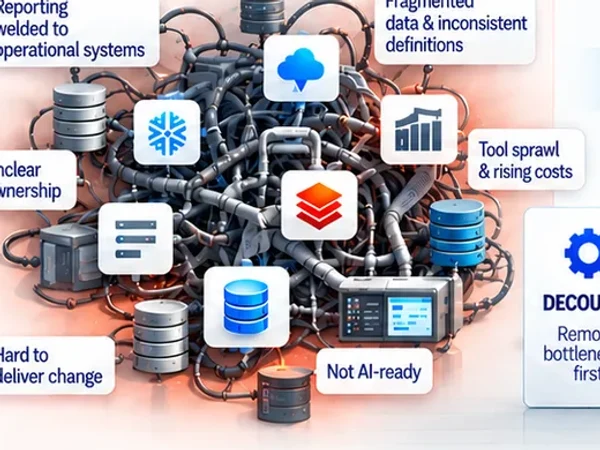
How to Modernize Enterprise Data Architecture in 2026 (New Tools Won’t Do It)
Modernizing enterprise data architecture in 2026 isn’t about adopting the new stack — everyone has it. It’s about making your architecture able to change: decoupling, portable data, clear ownership. Why new tools won’t fix a tangled design, and how to sequence the work.
2026-09-22Enterprise Architecture
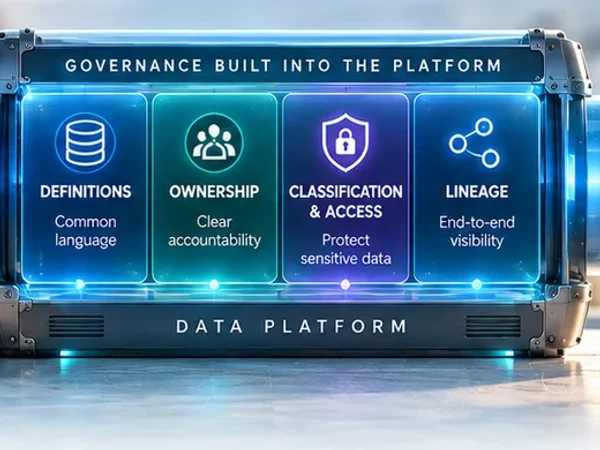
Data Governance for Regulated Industries: The Binder Nobody Reads
Every regulated company has a data governance policy; few have governance. Why real governance in regulated industries is an architecture decision — definitions at the source, ownership that’s structural, access enforced by the platform — not a binder.
2026-07-20AI & Enterprise Strategy
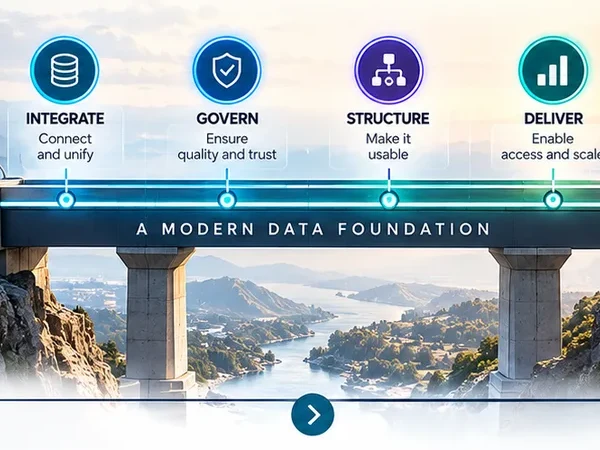
Your AI Strategy Is Actually a Data Strategy
Every board meeting eventually arrives at the same question: “What’s our AI strategy?” After assessing a global manufacturer, the honest answer was simpler — the data isn’t ready. AI doesn’t create clarity from chaos; it amplifies whatever foundation you already have.
2026-06-18Enterprise Architecture
The Illusion of “We Can Do It All”: Lessons from Enterprise Tech Stacks
Vendor lock-in looks efficient — until flexibility disappears, data gets hard to reach, and someone else’s roadmap constrains yours. Why loosely coupled, best-of-breed architecture is what keeps tomorrow possible.

2026-05-12Enterprise Architecture
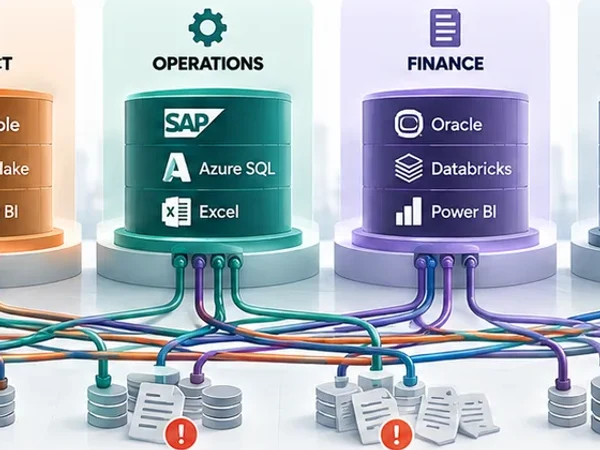
When domain ownership turns into data fragmentation
Clean domain boundaries erode one rational shortcut at a time. Why domain ownership is necessary but not sufficient — and why enterprise architecture is the accountability that keeps source-of-truth integrity intact.
2026-05-01Enterprise Architecture
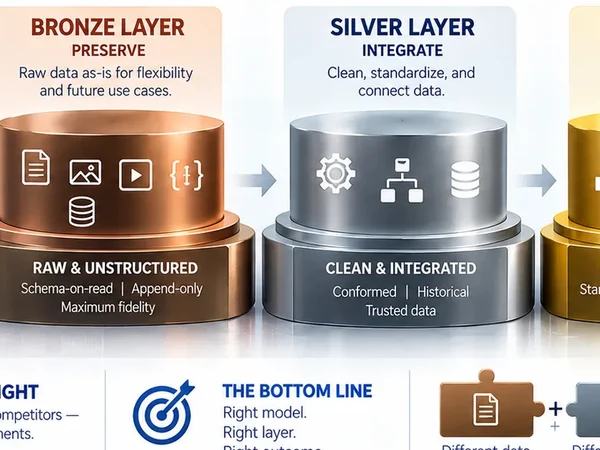
Why one data model doesn’t fit all
Rethinking data warehouse and lakehouse design across layers. Why the right answer isn’t a single modeling philosophy — it’s the right model for each layer, workload, and purpose.
2026-04-15Enterprise Architecture
Why 2 + 2 is not always 4 in enterprise data
The math didn’t change — the context did. Why precision, ambiguity, and clarity matter more than the numbers themselves in enterprise data systems.

2026-04-09Enterprise Architecture
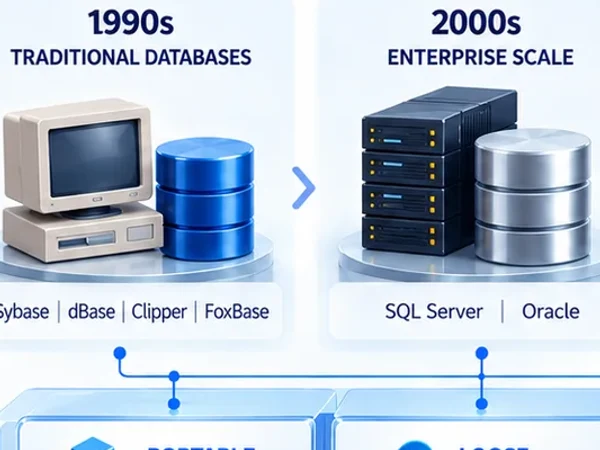
What decades of working with databases taught me (and why the newest one surprised me most)
From Sybase System 4 to MotherDuck — a journey through every generation of database technology, and why the architecture around it matters more than the engine itself.
2026-04-07AI & Enterprise Strategy
Who pays when agentic AI breaks?
On a remodeling job, the rule was simple: whoever does the work absorbs the cost of mistakes. In agentic AI, every hallucination and retry is billable to the user. What if liability were a design constraint?

2026-04-02Enterprise Architecture
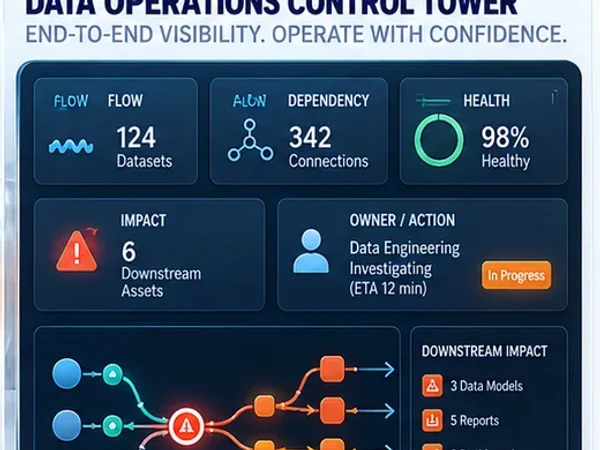
Your data stack works. Can you operate it?
Most data stacks fall short in a specific way: they’re built for tasks, not operations. The tools are excellent individually — but operators need end-to-end visibility, lineage, and clear failure paths. What’s missing is a control tower for data ops.
2026-03-27Leadership
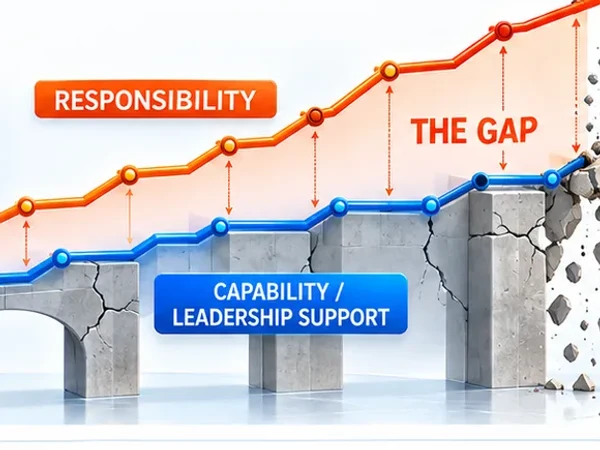
Toxic Work Environments - Part 1 of 3
Toxic work environments rarely start with bad intent — they emerge from a gap between responsibility and capability that compounds when left unaddressed. The recurring pattern, and why self-awareness has to scale with the role.
2026-03-30Leadership
Toxic Work Environments - Part 2 of 3: The Signals
How toxic work environments first surface — in communication. Vague phrases, polished alignment, and the slow shift from ownership and execution to permission and narrative.

2026-04-03Leadership
Toxic Work Environments - Part 3 of 3: Preventing Them Before They Take Root
The most important leadership skill in preventing toxic work environments isn’t control — it’s self-awareness. Strong leaders acknowledge what they don’t know, surround themselves with deeper expertise, and prioritize clarity over sounding aligned.

2026-02-15AI & Enterprise Strategy
SaaS Is (Mostly) Dead
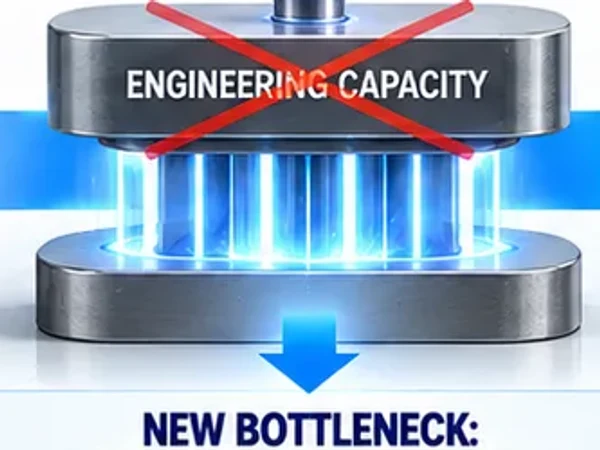
For 15 years the playbook was buy → configure → integrate → renew. Agentic AI just flipped it: 20,000 lines of a data-ops framework rebuilt in a week. When the marginal cost of software approaches zero, the scarce asset becomes domain judgment — not engineering capacity.
Get new posts in your inbox
Essays on data engineering, architecture, and technology leadership. Roughly one a week. Unsubscribe anytime.